*মুখবন্ধ:*
এই কবিতাটি আলোর বাহ্যিক দীপ্তিকে নয়, তার অন্তর্গত নৈঃশব্দ্যকে অনুসন্ধান করে। এখানে আলো কোনো বস্তুগত শিখা নয় বরং আত্মদর্শনের এক ধ্যানময় যাত্রা, যেখানে অহংকার ভাঙার মধ্য দিয়েই জন্ম নেয় অন্তর্দীপ। বৌদ্ধ ভাবধারা ও আধ্যাত্মিক মননের অনুপ্রেরণায় রচিত এই কবিতা মানুষের অন্তর্গত রূপান্তরের পথকে নীরব অথচ গভীর ভাষায় প্রকাশ করেছে।
______________________
*আলোর অর্থে অন্তর্দীপ : নৈঃশব্দ্যের অর্ঘ্য*
*নির্মল কুমার সামন্ত*
আলো—
কোনো শিখার নাম নয়,
এ এক নিঃশব্দ বীজ
যা অন্ধকারের কপালে রেখে যায়
অদৃশ্য উচ্চারণের উষ্ণতা।
অর্ঘ্যপাত্রে আজও ফুল আছে,
কিন্তু প্রার্থনা দাঁড়িয়ে থাকে
অব্যক্ত বার্তার শুষ্ক হৃদয়ে—
বিশ্বাস তখন
দূর আকাশে ভেসে থাকা
অপূর্ব অথচ অনাথ নক্ষত্র।
ভোরের ধ্যানঘন জানালায়
আমি ছায়াকে ডেকে বলি—
'বল তো, আলো কোথায় জন্ম নেয়?'
নরম ধুলো হয়ে উত্তর দেয় সে—
'যেখানে অহংকার ভাঙে,
সেখানে প্রথম জ্বলে ওঠে শুদ্ধ অন্তর্দীপ।'
শূন্যতার নীল কূপে
ডুবে থাকে কিছু অসমাপ্ত মন্ত্র,
বাতাসে ভাসে নীরব আলোকরেণু,
যেন সময়ের গোপন বোধিনিধি
অদেখা হাত তুলে আশীর্বাদ করে।
আলো মানে দৃষ্টি,
দৃষ্টি মানে আয়না—
যেখানে মানুষ নিজেকেই দেখে
অপরিচিত এক সত্যের পোশাকে।
হে নৈঃশব্দ্যের শিখা,
তুমি জ্বলো না শঙ্খের উল্লাসে,
জ্বলো সেই অন্তরাল প্রান্তরে
যেখানে ভাঙা বিশ্বাসের কণাগুলো জুড়ে জুড়ে
মানুষ গড়ে তোলে নিজেরই নবজনম।
আলোর অর্থ কোনো নিবেদন নয়,
এ এক অন্তহীন পথচলা,
যেখানে প্রতিটি পদক্ষেপে
মানুষ ধীরে ধীরে অন্ধকারকে
নিজেরই আলোয় রূপান্তরিত করে।
________________________
১৩/০২/২০২৬ * দুপুর ১২-০৬ * প্রফুল্ল ধ্বনি
__________________________
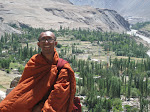
*মাননীয় ভিক্ষু সুমনপাল ভন্তেজি* প্রেরিত *'বোধি-নিধি'র* ক্লিপ *'আলোর অর্ঘ্য'* থেকে উৎসারিত ভাববস্তু-অনুসারী কবিতা *"আলোর অর্থে অন্তর্দীপ : নৈঃশব্দের অর্ঘ্য"* সৃজিত ও তাঁর উদ্দেশে নিবেদিত।
_______________________
*Preface:*
This poem explores light not as a physical flame but as an inward awakening shaped by silence and self-reflection. Drawing inspiration from contemplative philosophy and spiritual insight, it portrays light as a journey of inner transformation where the breaking of ego reveals the first glow of the inner lamp. Rather than proclamation, the poem embraces stillness, suggesting that true illumination unfolds quietly within the human heart.
______________________
*Inner Lamp Of Light : An Offering To Silence*
*Nirmal Kumar Samanta*
Light—
Not the name of any flame,
It is a silent seed
That rests upon the forehead of darkness
Leaving the warmth of an unseen utterance.
Flowers still remain in the vessel of offering,
Yet the fragrance of compassion fades,
Prayer stands waiting
Within the arid heart of an unspoken message—
Faith then becomes
A wandering star in distant skies,
Beautiful, yet orphaned.
At the meditation-filled window of dawn
I call the shadow and ask—
'Tell me, where is light born?'
Soft as dust it replies—
'Where pride breaks,
There first awakens
The pure inner lamp.'
In the blue well of emptiness
Some unfinished mantras lie submerged,
Silent particles of light drift through the air—
As if a hidden treasury of time
Raises an unseen hand in blessing.
Light means vision,
And vision becomes a mirror—
Where a human being encounters the self
Clothed in an unfamiliar truth.
Oh, flame of silence,
Do not blaze in the clamour of conches,
Burn instead in that inner horizon
Where shattered fragments of faith unite
And shape a new birth within.
The meaning of light is not mere offering,
It is an endless pilgrimage—
With every step, a human slowly
Transforms darkness itself
Into one’s own light.
________________________
13.02.2026 * Night 11-52 * Prafulla Dhwani
______________________
The poem *"Inner Lamp Of Light: An Offering To Silence"* is composed and extracted from the klip of *'Bodhi-Nidhi'* series *"Offering Of Light" (Aalor Arghya)* by the gracious inspiration of *Venerable Bhikkhu Sumanapal Bhanteji* and respectfully dedicated to him.
______________________
*মুখবন্ধ:*
এই কবিতাটি অহমিকার সীমা অতিক্রম করে অন্তরের এক নীরব আলোর সন্ধান। এখানে সত্য কোনো উচ্চারণে নয়, বরং নীরব উপলব্ধির মধ্যে জন্ম নেয়। নদী, আকাশ, সমুদ্র ও সন্ধ্যাতারার রূপক ব্যবহার করে কবি দেখাতে চেয়েছেন— বিনয় আসলে ক্ষুদ্রতা নয়, এটি আত্মবোধের গভীর বিস্তার।
কবিতাটি পাঠককে মনে করিয়ে দেয়, বড়ো হওয়া মানে উচ্চস্বরে নিজেকে বলা নয়— বরং অন্তরের স্বচ্ছ নীরবতায় নিজের সীমানা ছেড়ে দেওয়া।
___________________
*অহমিকার ওপারে যে নীরব আলো*
*নির্মল কুমার সামন্ত*
তুমি কে?
এই প্রশ্ন কোনোদিন অদৃশ্য আঙুল ছিলো না,
এ শুধু অন্তরের দরজায়
ঠক্-ঠক্ করা এক অদৃশ্য আঙুল
যে নিজেকে উচ্চারণ করে না,
তার ভিতরেই জন্ম নেয় সর্বোচ্চ পরিচয়।
*কেউ বলে— 'আমি গর্ব করি না'*,
*তবু শব্দের ভাঁজে লুকিয়ে থাকে*
*অহমিকার ক্ষুদ্র ছায়া*—
*যেন শুকনো নদীও*
*স্বপ্নে সমুদ্রের শব্দ শোনে*।
আমি দেখি—
সত্য কখনও মাপে না নিজের সীমা,
সে শুধু পথ বানায় নীরবে।
*সমুদ্র জানে তার জলরেখা*,
*আকাশ জানে তার নিঃশ্বাস*....
*কিন্তু তারা জানেই না নিজের বিশালতা*।
যে তত্ত্বে নিজেকে বলা হয় বড়ো
সেখানে শব্দগুলো হয়ে যায় ভারী
যেখানে সত্য জন্ম নেয় নীরবতায়,
সেখানে একটি বীজই যথেষ্ট
অরণ্যকে দিতে প্রতিশ্রুতি।
আমি তাকে বড়ো বলি
যে জানে—
নিজের চেয়েও বিস্তৃত এক আলোর অস্তিত্ব আছে।
*যেমন সন্ধ্যার তারা*
*অন্ধকারকে করে না ছোটো*,
*শুধু মনে করায় আকাশের গভীরতা*।
*তোমার মূল্য তার মধ্যেই বাঁধা*,
*যেন দুটি নদী হাঁটে একই সাগরের দিকে*।
*নাম আলাদা*
*কিন্তু লবণের স্বাদ এক*।
অহমিকা যখন ঝরে যায়,
হৃদয় হয়ে ওঠে স্বচ্ছ কাঁচ,
মানুষ তখন প্রথম শেখে—
*বড়ো হওয়া মানে উঁচু হয়ে দাঁড়ানো নয়*
*বরং গভীরভাবে নত হওয়া*।
একদিন প্রশ্নগুলো থেমে যাবে,
উত্তরগুলো আর শব্দ চাইবে না,
শুধু নীরব আলোয়
দুটি ছায়া পাশাপাশি দাঁড়াবে—
বলবে না কিছুই,
তবু বুঝে নেবে সব।
_________________
১২/০২/২০২৬ * সকাল ১০-০০ * প্রফুল্ল ধ্বনি ___________________________
*উৎস:*
অহমিকা, আত্মপরিচয় ও নীরব সত্যের দার্শনিক অনুভব থেকে এই কবিতার বীজ সৃজিত। বৌদ্ধ দর্শনে নীরবতা অত্যন্ত গুরুত্বপূর্ণ একটি বিষয়। মানুষের ভিতরের আলো ও নীরবতার গভীরতা এবং অন্তঃস্থ হৃদয়ের বিনয়— এই তিনের সমন্বয়ে কবিতার চিত্রকল্প বিনির্মিত এবং *মাননীয় ভন্তেজি সুমনপাল ভিক্ষু মহাশয়ের* হৃৎকমলে উৎসর্গীকৃত।
________________________
*Preface:*
This poem journeys beyond the fragile architecture of ego toward a quiet illumination within the self. Instead of declaring truth through loud assertions, it listens to the silent pulse where identity dissolves into awareness. Through recurring images of rivers, sky, and evening stars, the poet explores humility not as weakness but as a deeper expansion of consciousness and silence.
The work invites readers to experience stillness as a form of knowledge, where the highest recognition is born not from self-proclamation but from inward clarity.
___________________
*Beyond The Ego, A Quiet Light*
*Nirmal Kumar Samanta*
Who are you?
This question was never an invisible finger,
It was only a soft knocking
On the inner door.
One who does not pronounce himself
Carries the highest identity within silence.
Some say — 'I do not carry pride,'
Yet between the folds of words
A small shadow of ego remains,
Like a dry river
Dreaming of the sound of the sea.
*I see*—
*Truth never measures its own edges*,
*It only builds paths quietly*.
*The sea knows its shoreline*,
*The sky knows its breath*,
*Yet neither knows its vastness*.
Where a theory declares itself great,
Words grow heavy with weight,
*Where truth is born in silence*,
*A single seed is enough*
*To promise a forest*.
I call him great
Who knows
There exists a light wider than himself.
Like an evening star
That does not diminish the dark,
But reveals the depth of the sky.
Your worth is bound within that flow,
*Like two rivers walking toward the same ocean*.
*Names are different*,
*Yet the taste of salt remains one*.
When ego falls away,
The heart becomes clear glass,
*And humanity learns*—
*To grow is not to stand taller*,
*But to bow deeper*.
One day questions will fade,
Answers will need no words,
Only in quiet light
Two shadows will stand side by side —
Saying nothing,
Understanding everything.
__________________________
12.02.2026 * Night 8-37 * Prafulla Dhwani
____________________________
*Source Note*:
Silence is the very important philosophical concept . The poem emerges from a contemplative reflection on ego, humality and inner awareness. I've tried to compose it on the basis of Buddhist principle and the poem is respectfully dedicated to *Venerable Bhikkhu Sumanapal Bhanteji*.
------------------------------
___________________
*মুখবন্ধ:*
রবীন্দ্রনাথ ঠাকুরের রক্তকরবী নাটকের অন্তর্নিহিত ‘চাহিদা ও মুক্তি’র দর্শন থেকে অনুপ্রাণিত হয়ে রচিত এই কবিতায় মানুষের প্রয়োজন, নেশা ও আত্মমুক্তির অন্তরযাত্রা প্রতিফলিত হয়েছে। দৈহিক চাহিদার সীমা ও মানসিক আকাঙ্ক্ষার অসীমতার দ্বন্দ্বের মধ্য দিয়ে কবিতাটি শেষ পর্যন্ত এক নীরব মুক্তির পথ নির্দেশ করে।
____________________
*প্রয়োজনের শেষপ্রান্তে রক্তকরবী*
*নির্মল কুমার সামন্ত*
থালায় ভাত ঠান্ডা হয়ে এলে
মানুষ প্রথম শেখে—
ক্ষুধারও একদিন মাথা নামায়,
জলের গ্লাসে শেষ চুমুক থেমে গেলে
নিঃশ্বাস বলে ওঠে,
'এটুকুই যথেষ্ট, আর নয়।'
তবু মনের ভিতর অন্য দরজা খুলে যায়,
যেখানে ক্ষুধার হিসাব চলে না,
চলে শুধু অদৃশ্য চাওয়ার অঙ্ক...
হাত ভরে ওঠে চাহিদায়,
চোখ খোঁজে নামহীন আলো।
প্রয়োজনের পথ ছোটো—
সকাল থেকে সন্ধ্যা পর্যন্ত তারই সীমা।
কিন্তু নেশার পথ দীর্ঘতর,
সে রাতের ভিতর দিয়ে আরও রাত বানায়।
কখনো সে সোনা'র শব্দ,
কখনো বা ক্ষমতার উল্লাস,
কখনো নিজ নামের নিনাদ-প্রতিধ্বনি—
যে ফিরে ফিরে বলে—
'আরও দূর, আরও দূরতর।'
রক্তকরবীর মতো সেই চাওয়া
দূর থেকে লাল ফুল,
কাছে গেলে জানা যায় উষ্ণতা বিষের।
তার পাপড়িতে রঙ আছে,
শিকড়ে ঘুমিয়ে থাকে অস্থির রক্ত।
মানুষ দাঁড়ায় যখন চাহিদার শেষপ্রান্তে—
হাতে তার সব,
তবু ভিতরে শূন্যতার হাওয়া।
বুঝতে শেখে সে,
খাবারের শেষ আছে বলেই শরীর শান্ত,
আর নেশার শেষ নেই বলেই
বারবার মন পথ হারায়।
*একদিন সন্ধ্যার বাতাসে*
*ধীরে ধীরে সে নামিয়ে রাখে সব চাওয়া*,
*দেখে*—
*আকাশের কোনো চাহিদা নেই*,
*তবু সে পূর্ণ*,
*নদীর কোনো নেশা নেই*,
*তবু সে অনন্ত*।
*তখন মানুষ নীরবে হাঁটে*,
*রক্তকরবীর বাগান পেরিয়ে*—
*দরকারের সীমা ছুঁয়ে*
*অ-দরকারের মুক্ত আলোর দিকে*।_____________________
১১/০২/২০২৬ * সকাল ১১-০০ * প্রফুল্ল ধ্বনি ______________________
*রক্তকরবী নাটকে রবীন্দ্রনাথ ঠাকুরের 'চাহিদা ও মুক্তি'* ভাবনার প্রেক্ষিতে রচিত *"প্রয়োজনের শেষপ্রান্তে রক্তকরবী"* কবিতাটি *শ্রদ্ধেয় ভিক্ষু সুমন পাল ভান্তেজি'র* সৌজন্যে বিরচিত।
__________________
*Preface:*
Inspired by Rabindranath Tagore’s play Raktakarabi and its philosophical tension between desire and liberation, this poem explores the fragile boundary between necessity and obsession. Through images of hunger, longing and inner awakening, it reflects on how human beings move from the limits of need toward a quieter, boundless freedom.
_______________________
*At The Edge Of Need: Raktakarabi*
*Nirmal Kumar Samanta*
When rice on the plate turns cold,
A human being first learns—
Even hunger one day bows its head.
When the last sip pauses in a glass of water,
Breath whispers softly,
'This is enough, no more.'
Yet another door opens within the mind,
Where hunger keeps no accounts,
Only the arithmetic of invisible want…
Hands fill with demands,
Eyes search for a nameless light.
The path of need is short—
Bound between morning and evening.
But the path of intoxication is longer,
It creates night after night within the dark.
Sometimes it is the sound of gold,
Sometimes the exultation of power,
Sometimes the echo of one’s own name—
Calling again and again,
'Farther still, farther away.'
Like the oleander of blood-red bloom, that desire—
A crimson flower from afar,
Yet warm with poison when touched.
Its petals carry colour,
Its roots sleep with restless blood.
When a human being stands
At the edge of endless want—
Hands filled with everything,
Yet an inner wind of emptiness blows.
Then one learns,
The body finds peace because food has an end,
But the mind loses its way
Because intoxication knows none.
*One evening, in a quiet breeze*,
*Slowly all desires are laid down*.
*One sees*—
*The sky has no demands*,
*Yet it is full*,
*The river has no obsession*,
*Yet it is infinite*.
*Then the human walks silently*,
*Crossing the garden of raktakarabi*—
*Touching the edge of need*
*And moving toward the free light beyond necessity*.
__________________________
11.02.2026 * Night 11-15 * Prafulla Dhwani
________________________
Composed in the philosophical context of *Rabindranath Tagore's play "Raktakarabi"*, reflecting on the ideas of *'Desire and Liberation'.* The poem *'At The Edge Of Need: Raktakarabi'* is created with the gracious inspiration of *Venerable Bhikkhu Sumanapal Bhanteji.*

No comments:
Post a Comment